Buying Guides
Custom Tin Box Tooling: How 1,000+ Molds Cut Cost and Time
Tooling follows the shape, not the order. With more than 1,000 molds already in the workshop, here is when a tin box skips the mold step entirely — and when it cannot.
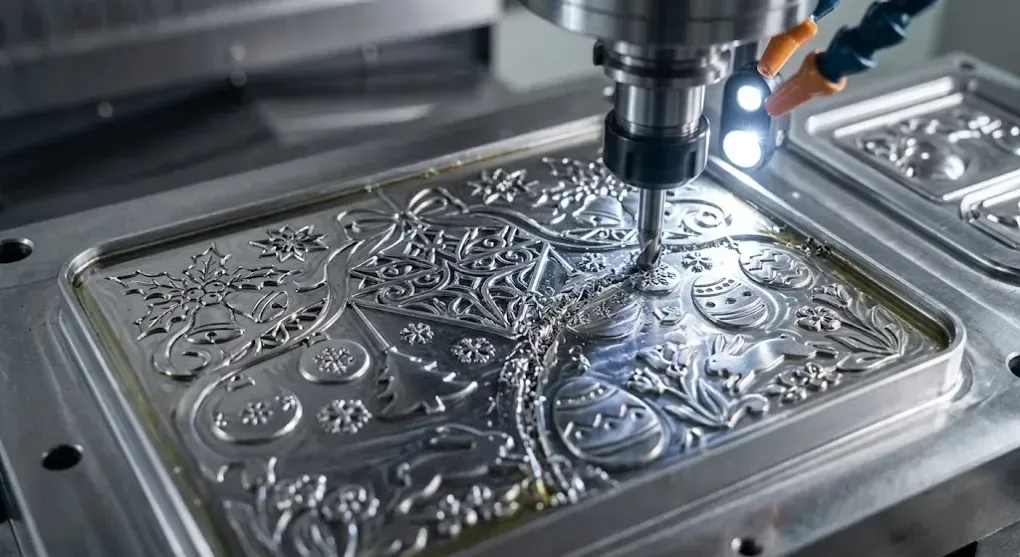
If you compare quotes for the same tin box shape, the line items can look familiar — until you reach tooling. Whether the shape already exists decides where the setup cost and the extra lead time sit in your project.
What tooling means in a tin box order
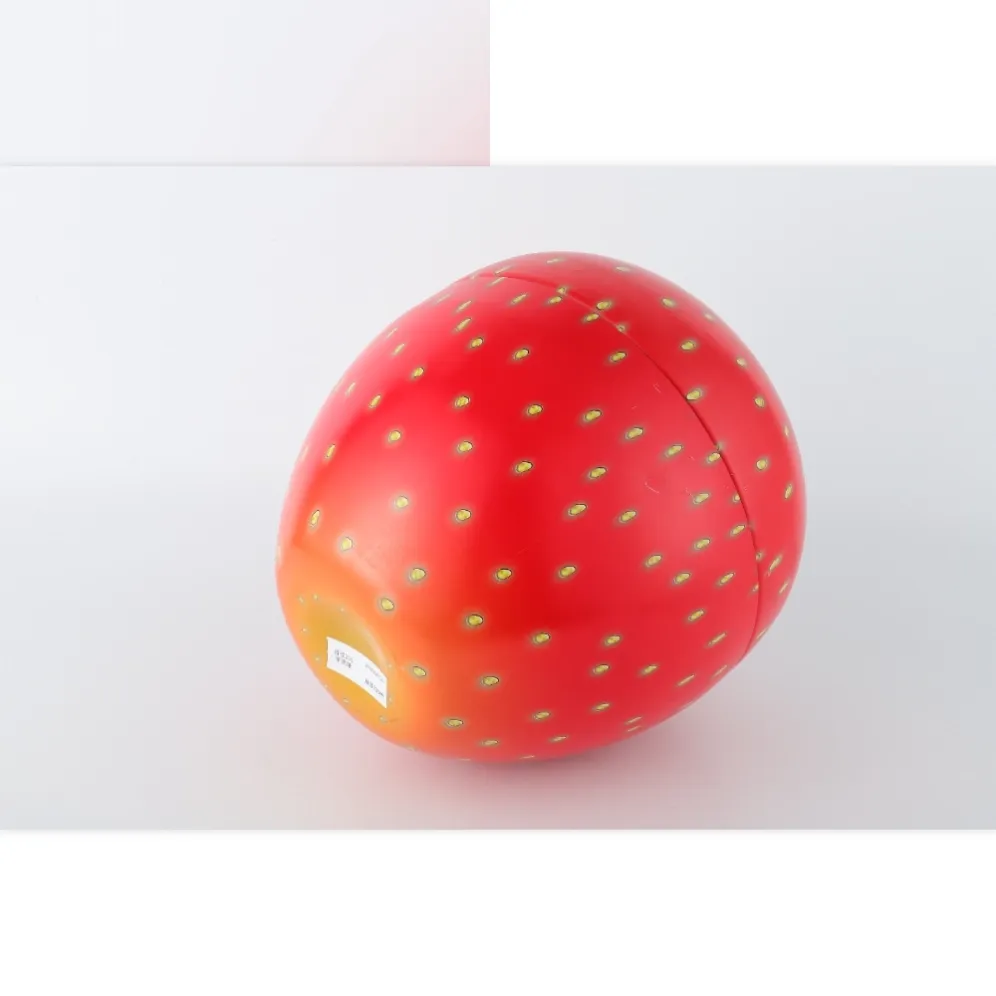
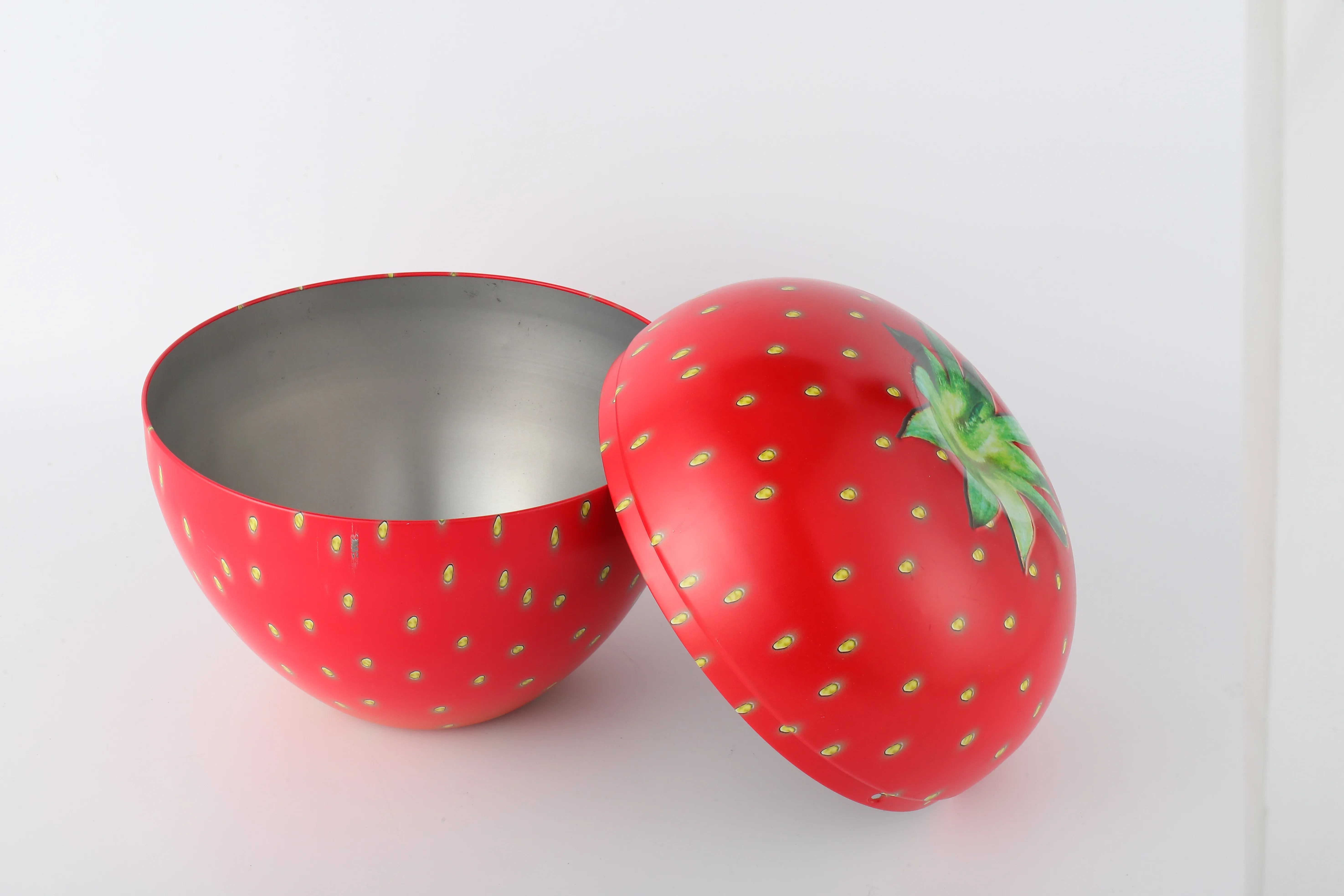
A printed tin box is made with steel tooling: the molds that press the body and the lid into shape, and the dies that carry embossing or a cut-out pattern. Every silhouette has its own tooling — a round tin and a heart-shaped tin are not the same project run twice. That is why tooling belongs to the shape rather than to a single order: once a shape exists, later orders of that shape reuse the same tooling.
When a shape has never been produced before, its molds have to be made and proven before sampling can begin. When the shape already exists, that step simply does not appear in the schedule.
What more than 1,000 existing molds change
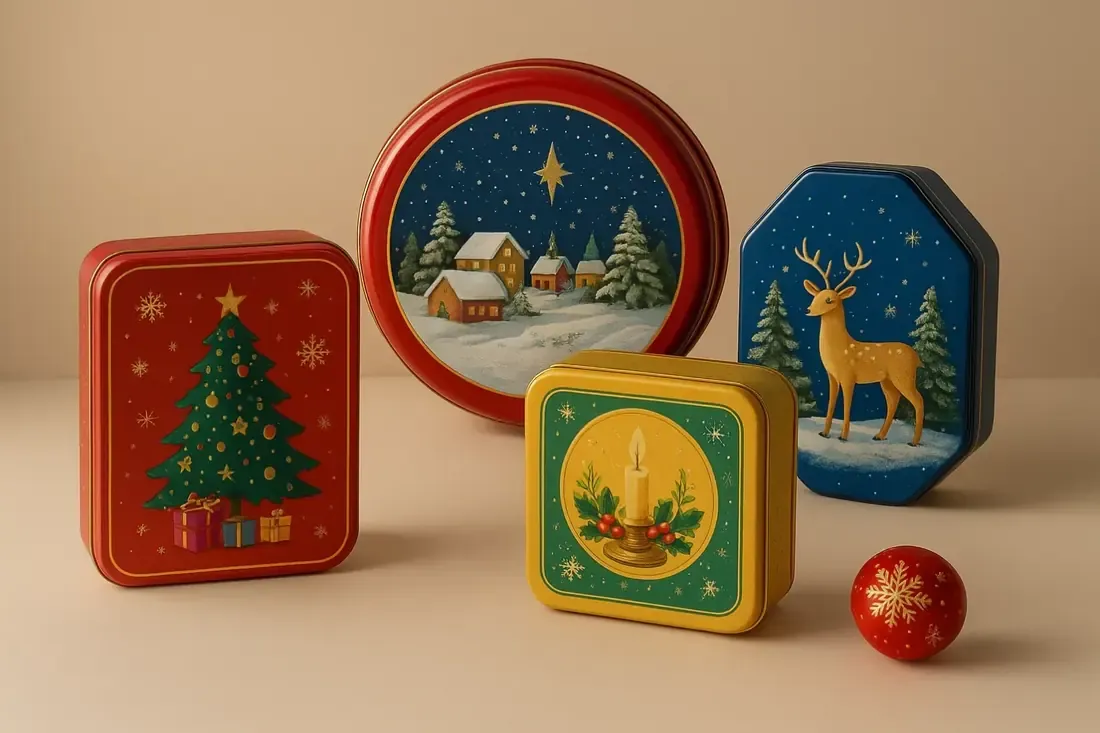
Meijia has produced tinplate packaging in Qishi, Dongguan since 2005, and the workshop now holds more than 1,000 existing molds — round, square, rectangular and shaped tins, from small candy tins to large storage formats. For a buyer, the practical effect is straightforward: the more common your shape, the more likely it is already tooled, and the shorter the path from quote to sample.
Checking takes one email: send the shape and your print brief, and we compare them against the mold library. The reply names the closest existing mold — or, if nothing matches, says plainly that a new mold is needed.
Tooling is the first question, not the only one: tinplate thickness (0.23 mm as standard, 0.25 mm above 300 mm), print method and packing all appear in the quotation too. But tooling is the one line that can disappear entirely when the silhouette already exists.
Same mold, different tin
An existing mold decides the silhouette, not the identity of the tin. Two brands can build on the same mold and ship products that share nothing visually: full-surface printing in CMYK or Pantone, matte or gloss finishes, embossed logos, metallic areas and interior printing. The mold is engineering; the print is where your brand lives.
When a new mold is the right answer
Some shapes genuinely do not exist yet: a silhouette built around a mascot, a proportion that has to match a specific gift set, or a size that falls between two library formats. For those projects, tooling is not an obstacle but the normal first step — the mold is designed, made and proven, and only then does sampling start.
Treat a new mold as its own small project. The earlier it starts, the less it can push the launch date — and the earlier we look, the sooner we can tell you whether a library shape is close enough to avoid it altogether.
How the tooling decision moves your schedule
Once artwork is approved, a sample made on an existing mold takes about 7 days. Mass production runs about 30 days from order confirmation, sample approval and deposit receipt. A new mold sits before that sequence — it has to be made and proven first — so its time is added ahead of sampling, not during production.
That is why seasonal projects benefit from starting early. Christmas orders and Chinese New Year orders compete for the same workshop months in advance — Chinese New Year falls on 6 February 2027 — and a new mold is exactly the kind of step that prefers a quiet calendar.
Four things to send before you ask about tooling
The shape: dimensions, or the product that has to fit inside. The construction you want: a sliding lid, a window, a handle, or a standard lid-and-base tin. The print: colors, and whether embossing or debossing matters for your design. The brief: quantity, target date and the market the tin has to satisfy.
With those four things, the answer is specific rather than a form letter: an existing mold that fits, the closest match with the difference noted, or a clear “this needs a new mold, and here is what that involves”.
The short version
Tooling follows the shape. More than 1,000 molds are already in the workshop, and existing shapes skip the mold step entirely. A new shape needs a mold made and proven before sampling, so start that step early. Finding out which case you are in takes one email: shape, construction, print and brief.
Send us your shape and your deadline. If it is already in the library, we will say so straight away; if it is not, we will tell you exactly what a new mold involves and when sampling can begin. You can browse the standard shapes across the product pages and start the conversation from the contact page.